
Plea
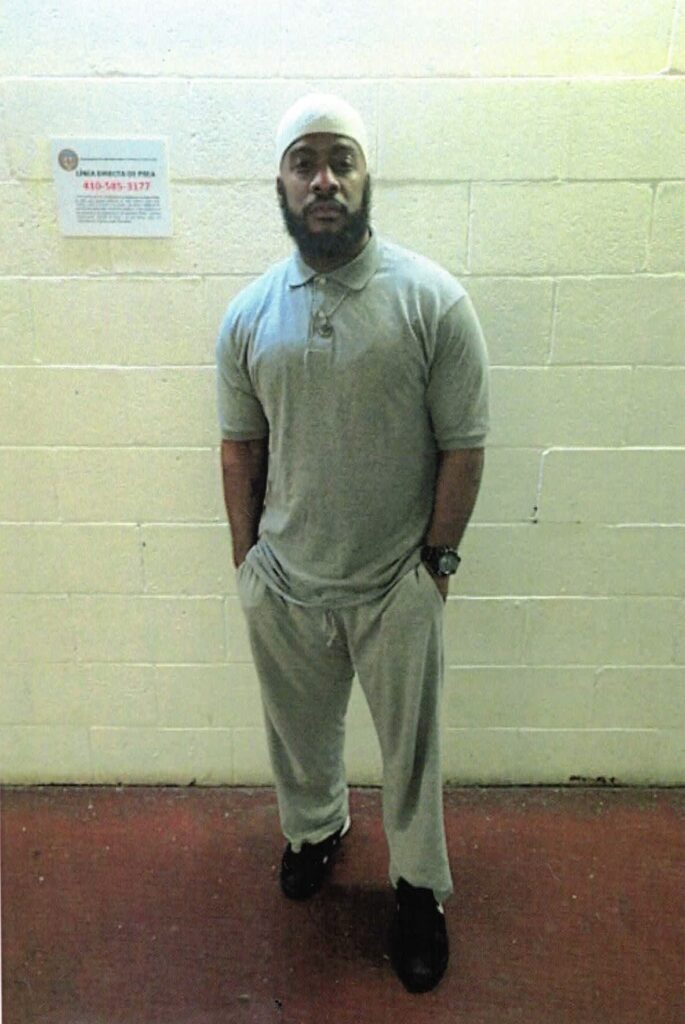
Reginald J. Manning
Forget me.
Leave me.
Know me no more.
Permit me the grace of a chapter closed.
Grant me the silence never broken.
Choose for me my last words,
etch them in stone.
Watch them be buried under falling death rock, sealed in place by tears and
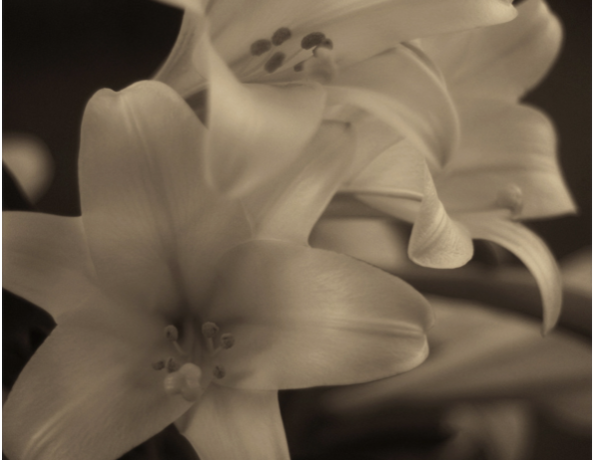
wilted petals of white lilies and blood kissed roses.
I chose the end I didn’t want,
blind to my alternative choices.
I took the fast route nowhere,
I called it fate.
Forget me; for I am forgettable.
Leave me; for I cannot be kept.
Know me; for you never did.
These are not the pleas of one wishing no more sunsets.
Each word is an echo resounding from a vaulted tomb enclosing a live soul.
A living soul unable to breathe under the cloud of a disappointing outcome,
an outcome only over when, like that soul, it is forgotten.
He screamed as the blade entered his belly, not a whole scream, just loud enough and long enough to alert the attention of the guards. The line of hungry inmates parted, each of us wanting to avoid blood splatter, each of us trying to evade the wild swings of his attacker’s shank. The hush that fell over the space was only interrupted by the jangling of the responding officer’s keys and crackling of their radio transmissions. “10-10 10-10 in the dining hall!”
I didn’t know the man being attacked. He was slim, light brown, balding with a stubble of a beard shading his chin. I was twenty-three. I had only been in the prison for about six months. I had seen a number of incidents since I had been in the Annex in Jessup–quick fights often erupted on the yard or in the chow hall–but watching the brute, wide-backed and muscular, drive his weapon into his victim, I felt I was watching a murder. The dots of red grew across the man’s white tee shirt, ominous mushrooms sprouting under the cover of his impending death. By the time the guards popped the orange clouds of mace, the assailant’s swinging had slowed and his victim was just a heap of bloody flesh on the dining hall floor. Every inmate in the surrounding area was ordered down, which oddly offered a reprieve from air filled with the stinging chemical deterrent. I remember watching through tear-filled eyes as the officers handcuffed the attacker as well as his victim. He laid limp as his blood covered wrist were placed in the restraints with little effort. I knew this was the reality of prison. I understood that mediation was done with rusty daggers and clenched fists. I knew this, but my knowledge of the modus operandi did little to quell my rising anxiety. I had known since my introduction into confinement that anything that happened to one prisoner could also happen to me. That day, violence reinforced my lesson, and it was a lesson I was not okay with.
I needed to talk to someone. I was fresh into my sentence, so I still had a few options available to call–after a three day lock down. Seventy-two hours of replaying and trying to forget what I’d seen. Seventy-two hours of seeing slim, brown, balding guy screaming his voiceless scream over and over again. Once the doors opened, I headed straight for the phone. I needed to be heard. I wanted somebody to reassure me that my existence would amount to more than a handcuffed pile of bloody flesh on a filthy dining hall floor. I needed to once again be more than just a prisoner; I needed to be human. So, I picked up the phone and dialed, more from memory than intent. I still allowed myself to believe the girl I was claiming really was mine, her name was Tish. In the streets, she was my girlfriend in private. I had spent many late nights trying to shed all of my disappointments about the world in which I lived into her womb. I made her cum, and beg, and claw her own frustrations into my back, and she loved me for it. She loved me enough to not abandon me after receiving a life sentence. She cared enough about me to stick by me during the first two years of my incarceration, before life started to mean something different from a prison sentence. Before her youth started to pass with the time I was serving, until her frustrations desired another back to be clawed into. Before she believed I was never coming home.
“Hey!” She answered cheerful after the end of the recording informing her she was taking a call from a Maryland correctional facility.
“Hey.” I responded while trying to figure the best place to begin unveiling my existential crisis.
“You’ll never guess what this bitch said to me at work.” she offered before I had the opportunity to unburden myself.
“What she say?” I asked, relinquishing control of the conversation. Maybe, I thought, it would be better to just listen as I gathered my thoughts.
“Bitch gonna tell me I ain’t got no fucking choice but to work overtime because they short’a fucking staff, can you believe that shit? They short, so I gotta stay!”
What followed was a series of complaints about her work environment, her coworkers, her commute on the bus, the people on the bus, the bus driver, the weather, bills, and everything else she could fit into the half-hour phone call.
“You have one minute remaining.” The voice automated control system announced.
“Is you calling me back?” She asked.
“Naw, Imma go to the yard,” I lied. I couldn’t listen to any more of her
complaints about the struggles of her freedom. “I’ll catch you tomorrow.”
“Kay, love you, be good,” she said before the phone went dead. I resented her well wishes and declarations. Not once while we were speaking did she inquire about my well-being or state of mind. Maybe I was being unreasonable, I thought. But I felt I wasn’t. The conversation I had just endured wasn’t an anomaly. All of our conversations centered around her stresses and wants. Until that point, I had considered it the trade off for her loyalty. I was to be her sounding board because there were so many things in our relationship that I wanted to be, but couldn’t. Still, I was having a rough time, not just with what I had seen. I struggled a lot in the beginning of my incarceration because I was filled with so many regrets. I wondered if it was the same for everybody doing time. I didn’t know if I was the only one feeling so…detached and consumed in that space. I needed to talk, but I had no idea of what I wanted to say, and, most importantly, I was realizing that I had no one to say it to.
I had noticed a pattern developing in the first few months in prison. The people I called had a lot of problems and complaints. Not to say that all of them were petty or insignificant, just that the people I knew hardly ever took the time to just focus on the positive nevertheless, listen. That day, I dialed a few numbers, friends, family, associates, most of which I no longer have. The people who answered followed the same script that Trish had; it was always “Hello,” or “Sup?” followed by my returned greeting, then onto a list of their trials. On that particular day, I don’t think I was asked once how I was.
That was over twenty years ago, and with the exception of the fact that I have far fewer people to call, not much has changed. The people I do reach out to usually use me as their sounding board. I am of the belief that most people in the streets don’t really want to talk to someone in my position; perhaps they do so as an act of charity. As a result, I am left to be satisfied with being whatever type of friend, relative, or partner they allow me to be.
Unaddressed problems have a cumulative effect, they don’t disappear, just like trash. When I see stories about landfills on the news or elsewhere. I am always amazed to think that the masses of waste, all things people once considered valuable or needed, started with the dropping off of one load. Look how they began; someone decided that a patch of land would be designated a dump site. Once healthy and full of potential, someone deemed it unworthy, or contaminated already, or they never gave it consideration to start. They chose a spot far enough away from the public to not disturb their way of life. When the trash piles grew too high, they buried them and learned how to profit from the emissions of their gases. Whole ecosystems survive off of these bodies of trash.
As far as this metaphor goes, I used to think that prisons and institutions were the landfills, and people like me, the prisoners being the trash. Now I am not so sure. After years of being an afterthought, after decades of listening and hearing the problems of others, both inside and out, I now know I am the landfill. My upkeep is not done for care or concern; I am only tended to in order to make room for more trash. I am the wasteland of others’ bad experiences, and buried deep, deep under the accumulated waste of others lie my own original complaint; I don’t want to be where I am, I don’t want to be what I am. I don’t want this to happen to me.
A few years back, in another prison I had been transferred to, I sat inside of the bull-pen in medical. I was waiting to be seen for a reason I forget as I write this. I was in my late thirties then, jaded past the point of no return by incarceration. I sat listening to the men converse, all of them with their typical complaints about their conditions of confinement. The cells are too small, the recreation hours are too short, the staff are too mean, so on and so forth.
The officer opened the door to let in another inmate. There was nothing special about this man that would make him stand out in a crowd, but I sensed something familiar about him. He walked with a slight limp, but he seemed to be at the threshold of joining the ranks of the elderly. I recognized him, even under the cloak of the years he had lived since I last saw him. He was still light brown, just with a few wrinkles. His slim build had been overthrown by his now protruding belly. He dabbled towards me and took a seat on the bench beside me. My eyes never left him even as he sat. It wasn’t everyday that one saw a ghost. The last time I had seen this man, he was bloodied under the blade of someone seeking to claim his life, but there he was, alive and limping almost fifteen years later. He noticed my stare and offered me a silent nod of acknowledgement. Still, I held my gaze locked on his countenance.
“What’s up youngblood, do we know each other?” he asked. He was almost toothless. His question cut through my fascination.
“Naw Unc, I just…I remember you from the Annex.” Again, he nodded. Almost as if to say that others before me had been shocked to see him alive.
“Yeah, I was there, you were in D-building?” He asked.
“Yeah, I was there in the dining hall that day.” He looked away, as if trying to keep his memories at bay.
“That was a rough one.” He admitted.
“I thought…”
“So did I, but nope. I’m still here”
So many things started going through my mind at that moment. I once again heard his short scream of agony. I once again saw his blood stained white tee. I remembered the days after, sitting in the cell waiting to tell someone all of the things that I had no idea how to say. A flash briefly lit up his eyes. It was like my recognition had moved his mind towards the memories of his own experience as well.
“Bro, I really thought you were gone! It was so much blood, damn! I was watching that like, he ain’t going to make it.” My unorganized thoughts began falling into a line chain of communication. My words started to spill out as I started to recall all that I had experienced that day, and those that followed. It was then I saw it. The light that had sparked inside him, the beacon that announced someone saw me, someone sees me, someone will listen slowly began fading as I spoke, and he seemed to mindlessly hear me and nod.
I was all too familiar with that experience; it was mine. In that moment I was making this stranger my dump site. I was passing onto him all of my unwanted experiences, whether he welcomed them or not. I stopped talking, I sat back on the bench and looked over this person who had unknowingly become a part of my trail of memories. I was thankful for the lessons in survival his blood had shown me. I felt I owed him, so I offered him the only thing I had to give in that moment, my ear.
“How are you, though?” I asked. Again his eyes glinted with that spark, and I listened as he purged himself of his troublesome thoughts and experiences
since that day. I never knew his name. Landfills don’t identify those who discard upon their surfaces.


1 Comment
Alex
July 15, 2025 at 2:24 amThe poem at the beginning is beautiful, profound, and agonized.