
Introduction
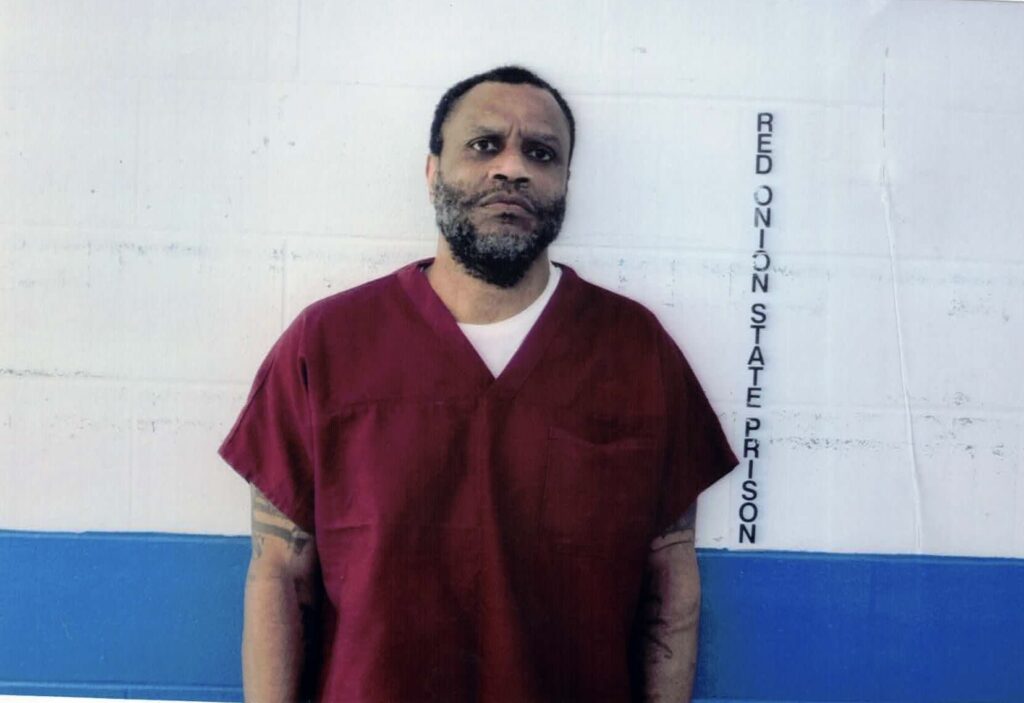
You won’t recognize me. My story will be unfamiliar. The usual narrative where a person is found to have been at risk, but too late, is not me. The story where no one knew, beforehand, that a person was dangerous to others, so no one could have acted in time, is not me. When folks say, “If only we had known we would’ve acted to avoid disaster and save everyone from pain and loss.” They are not talking about me. My name is Shedrick Hutson, and my story goes:
In 1994, the Richmond Juvenile Court System ordered a psychological evaluation be done on me with the stated purpose of treatment and placement determinations. The conclusion was that I was a threat to my own self and to others and that I should be locked inside a mental hospital for treatment. It said that I would either be put into an inpatient mental facility soon for intensive treatment or I would eventually get mental health care inside prison later. This was partially correct.
The evaluation and its conclusions were not only ignored, but they were also never disclosed to myself or to my mother who filed the Child In Need Of Services (CHINS) petition in 1994 that led to the order for the psychological evaluation itself.
The evaluation’s conclusions were correct in that I was arrested for murder after many other arrests and a trip to prison. But I have not received any meaningful mental health care in prison, unless medication is considered the only meaningful health care. In my 26 years of incarceration I have been medicated, stripped naked, strapped to beds, shackled and chained. I have had judges, on five separate occasions, suspend my ability to refuse medications so that I could be committed to inpatient mental health treatment at Marion Correctional Treatment Center (MCTC), saying that I was not able to make my own medical decisions. I have been mentally, verbally, and physically abused for the crime of being a human in mental health crisis inside the Virginia Department Of Corrections. More often when I asked for help than at any other time. And when I did voice a concern about my own treatment, I have been ignored and threatened.
As I write this introduction the rest of this testimonial has already been written. With this writing I will describe my life as a child growing up in Richmond, Virginia. I will give my own account of myself from my point of view as a teenager and as an adult before my current state of imprisonment. I will give you what I have. The accounts of my younger years are written as they came to me. For all my efforts I cannot reorder them chronologically. I have tried. Some of this will be repetitive but still as accurate as I can manage. My recollections from prison will be easier in many ways because having been at certain places at certain times gives me a guideline to the when and where. And even then, there are huge gaps in my memories. Along with my own descriptions of my life inside and outside of prison, I am also providing the original psychiatric evaluation generated by Dr. Patricia Brunner on June 2, 1994, and provided to me by my two court-appointed lawyers. Dr. Brunner’s assessment is not ambiguous. It is blunt in its findings and recommendations.
Also, I am including written complaints that I wrote concerning my own mental health care here at Red Onion State Prison. On multiple occasions those written complaints were processed and the complaints themselves ignored. Even where I made it known to the Virginia Department of Corrections that an employee is denying me treatment, then lying on official documents in order to further deny me mental health treatment, the response by the VDOC was to ignore the complaint and threaten me, as you will read for yourself.
I am writing this to hopefully shed some light on the truth that there are people out there, in crisis, in need of assistance, who can still benefit from meaningful mental health care. And that there are people in prison with no hope of getting any meaningful mental health care. My hope is that knowing a person can be treated the way that I have will be used to keep a child from being denied that help. And that anyone who thinks that prisoners are receiving meaningful mental health treatment inside prison you can read for themselves and decide for yourself if that is true.
I hope this is not as hard to read as it was for me to write.
Beginning
Lonely and alone was never the same for me. Lonely is an absence of other people. Alone was me. No one else added or removed. My normal from the start. I didn’t have friends. Not for very long. I attended five different elementary schools, then three different middle schools in different parts of town. Even when I lived in the same place for five years, my school district was rezoned twice. Being quiet and small for my age made it worse. I got bullied. Kind of. I got picked on until it became physical. I was always good at physical. The winner of the fight always gets the worst punishment, so I got suspended a lot.
When I was in third grade I was exiled to Learning Disability (LD) classes. I assumed that I was that dumb that I couldn’t be around regular kids. The class was not a bad place to be at first, but the exile itself was like prophecy to my own poor self-image. I was in prison when my mother told me that she had me put into LD because of my grades. The grades I got for not going to school. She didn’t know. She couldn’t have known. My mother didn’t know that, for me, further isolation would lead to further isolation. LD was that for me. When I got to middle school all the other kids went from class to class, different teacher for different subjects. LD students stayed in the same room all day. I didn’t learn to socialize like other kids. And then I moved away again and again. Eight schools located in eight different neighborhoods. Eight teachers who didn’t know that I can learn but I don’t talk much. I learned not to get close to new people because close does not last and it hurts when it ends. I still struggle with this today.
My eighth-grade year was at Benford Model Middle School. The boy’s bathroom on the first floor had a window that looked down on the back of the school. I ate my lunches standing at that window in the bathroom while most others went outside until next period. There I could watch all off them play basketball and stand in their groups and laugh. I didn’t know any of them.
At Benford, my eighth-grade teacher passed me to the ninth grade even though I hardly went to school and was failing everything. That summer I got my class schedule for high school in the mail. It was for Thomas Jefferson High School in the far west end of the city. I lived in the middle of the north side of the city. I would be attending a high school where I didn’t know anyone. I dropped out of school. School was never enough. It was not interesting. I didn’t understand people. School was not fast enough. I learned easily. My attention span was short. It still is.
My mother kept stacks of all different kinds of reading materials around. I learned most of what I was taught at school years before a teacher offered it to me. I always seemed to end up living near wooded areas. In elementary school I would stuff my sleeping bag blanket into my backpack and instead of going to school I would go into the woods and hide inside my blanket until it was over. If it was raining or too cold, I knew where all the abandoned houses were. I zipped inside my sleeping bag and inside my head.
In my first try at 6th grade at Boushall Middle School, I missed over one hundred days, or so it says on the report that card I have.
My brother’s name was Kareem, but family called him Punkin. I was Ricky. He was two years older than me. I didn’t have to talk because when we were little, we were always together so he talked for the both of us. Family members called us by each other’s names, and we never corrected them. Punkin was everything to me. When I say he was universally loved I mean student class president in elementary and middle school. He never fought. No one picked on him. His dad paid child support. His dad’s parents invited him to things when we were children. I had to go, too. They did not hide the fact that I was not invited.
My father’s name is Anthony Leonard. He is in the HBCU Hall of Fame for Virginia Union University. He was a punt returner for the San Francisco 49ers and the Detroit Lions. We met. I look just like him. He is currently suffering from advanced dementia so that ship has sailed away for good.
I first smoked weed at nine years old. I was with my brother and his friends. I stole my mom’s beers around the same time. It tasted like corn chips.
My first try at Job Corps was in Woodstock, Maryland. I was fifteen years old. I had already dropped out of school. Woodstock was surrounded by woods. I spent most days walking down paths through the trees to the train tracks that led to the creek and what looked like a flooded rock quarry. My imagination filled in the empty spaces until I returned for lunch and dinner. I fought. I never got in trouble for staying out all night. I liked to sleep in the woods. I don’t remember why I was kicked out. Woodstock is where I first learned that cutting myself helps me to feel better. That is all I learned at Woodstock.
I have a constant fear around strangers in strange places. Everyone is looking to hurt someone. Over time the urge to defend lessens as I spend time in a place, but it never goes away. I spend hours at a time planning for attacks that never happen. I overreact.
When I got home, I was sixteen and homeless. I hated being at Job Corps. I wanted to go home. I hated being back in Richmond full of bad memories. I have never felt comfortable anywhere.
I saw a therapist when I was nine because I still wet the bed. In my memory I see myself playing with toys while the lady asks me questions. I don’t know if that is how it really went. I don’t remember the better things. The worst is what plays in my mind warning me that it is there, that it is possible, that it is coming again.
My family doesn’t teach or discuss. My mother makes an effort now because I keep asking but I know the past bothers her too. I will never know much about the generation before me, even though I have a huge extended family. My grandmother had nine sisters and brothers. At least half were very obviously mentally ill. My maternal grandfather died when I was thirteen. I met him when I was thirteen. He showed me his gun. We ate rabbit. He fought in Korea. He spent most of my life in and out of federal prisons. Alcohol got him in the end through the liver. My grandmother and my mom tell me I act like him. Earl Hutson.
Most of what I know I learned from books or TV or from seeing others do it or from repeatedly touching the hot stove. No one taught me to drive or that school is useful or a job is not the same as slavery. I have read all my life. Sometimes I can make a book a place to be when I need one.
Like boys of my era, I was given orders but never instructions, told what to do but never shown how to do it. As men we are expected to be self-sufficient. Every boy my age all went outside in the morning and didn’t come home until near dark. I did what everyone else did when I had a someone to do it with. I never understood people even when I so desperately wanted to be one. My best male role models were bad male role models who had bad male role models. I think I was ten when I broke into Summer Hill Elementary School on the south side of Richmond. It was during summer break. I was arrested. I was stealing boxed kits for science experiments. This was my first real arrest. This started my involvement with the Richmond Juvenile Court System. I stole from everyone everywhere all the time back then. I lied to everyone about everything all the time. I said whatever I thought people wanted to hear. It was usually the wrong thing to say. If not for me, my brother and my mother would have had more. I knew this. It added to my misunderstanding. I knew that everyone would be better off without me. It didn’t add up. Why did they keep me around? My grandparents sent me back after the weekend. This was smart. My mother missed meals so I could eat. She didn’t know that we knew. Why would she do that? I didn’t understand. I was my mother’s sadness. I was my brother’s dirty shoes. I was the heat turned off. I was my mother crying alone in her room. I was not worth the trouble I caused my family. I figured they didn’t know what I knew back then.
Two things I brought back from Woodstock Job Corps was drinking heavily and cutting myself. I had tried cutting before that, but it was only when I was drunk in the woods alone. At Woodstock I drank the cheapest gin and vodka. There was a bar on a road through the woods. I found it while walking at night. The liquor was the kind that came in plastic bottles. When I got home, I had more options. I drank whatever and got high off whatever else. I was almost always homeless. I drank every day that I could from age sixteen on. After returning from my first try at Job Corps I liked to drink until I threw up. I fell asleep in my own puddles. I needed to have beer or liquor next to me when I woke up. I have fond memories of having no memory of weeks of my life.
Drawing my own blood works. Nothing before or since has ever eased my nerves, relieved the pressure or sharpened my focus like when I drag a razor across my skin. It also serves as a necessary punishment for being me. The slower the razor slides the better. It is scary and medicinal and instant and perfect. My skin gets too tight because my body doesn’t process out all the extra chemicals added to the food. I get frustrated when people don’t get this simple concept. We are not all made the same. I can feel the buildup of chemicals sitting on my brain burning. It is like an itch but like a headache, but hot. It presses on the back of my sinuses. I am often uncomfortable all over inside. I know that there is a problem, and because I know that it exists, then I can fix it if I know what to fix. I have to fix it to feel better, so it is my fault that I feel this way. But I can fix it. I know it as a fact that I can fix it. I have to fix it. I have to.
Sometimes my thoughts move too fast. Sometimes my thoughts come faster than I can track them so that I am trying to find an answer to a question that is pushed out by another related thought so then I am trying to remember what I was thinking before while the new question is fading but it has to do with what I’m thinking. I give up and try to focus on what I am thinking and then a door slams. I am thinking about the slamming door for two seconds and everything that was behind my eyes was never there in the first place as far as my trying to remember what was there. It starts over. It is exhausting. When this happens at night I will not sleep. My tired body is no concern for my mind on fast forward. My short attention span means I will be standing at the toilet thinking about something and forget to pee. I cannot find the ink pen that I am currently using because I put it away because I forgot I was writing because I saw a bird on TV. So, I turn off the TV. I can’t focus because I keep wondering what is on TV. I realize two full, cold cups of coffee are sitting on the table in front of me as I am making a cup of coffee. The notes I write myself to remind me to do stuff are in my pocket beside the notes I wrote to remind me to do stuff. I hear my name with echoes. I hear laughter. I hear music. I remember that things happened without the pictures and sounds. I am sure of it. I just know.
I was on probation for something at seventeen. What, I don’t remember. I ended up back at my mother’s home on house arrest. She was very mad because the probation officer said he didn’t care if I went out. I went out for days. My mother was scared. Of me or for me. I don’t know. I can’t blame her for either. She filed a Child In Need Of Services (CHINS) petition to force the city to stop ignoring my deteriorating mental health. She tells me that I was losing myself at sixteen. She said there were times where she would speak to me, and I would ignore her. She told me that soon she realized that I wasn’t ignoring her, I was somewhere else where I couldn’t hear her. I can’t imagine ignoring her. She is the one person in my life who has never left me.
She called the fire department when I was seventeen because she thought the house was on fire. It was me burning things. I love fire. The police came and took me to jail. I told them I was on drugs. There were a few of them in my urine, the police said.
I was taken to juvenile jail, Mecklenburg, where the Richmond Juvenile Courts building was. On 6-24-94, I was interviewed by Dr. Patricia Brunner, Ph.D. I don’t remember it. I don’t remember seventeen. This is important. I will come back to it.
I was at Saint Joseph’s Villa group home during the interview, then to Elk Hill Farms group home. Then at eighteen, I went to another Job Corps site called Keystone in Scranton, Pennsylvania. I got sent to lots of places in my life. I never questioned it. I just went. A vehicle came; I got in it. At Keystone I got a high score on the GED test and learned to install carpet, tile, and vinyl floor covering. I still remember how to do it. I slept indoors and hid in the woods in the daytime after class. Most of my time there was quiet. I got kicked out for setting fire to my dorm. The dorm was cold, so I set fire to the thermostat on the wall. I remember thinking that this would turn up the heat in the dorm. When the residential advisor asked me if I knew who did it, I said it was me. I explained why. It all made total sense at the time.
Before I was sent home, I was told that I would have been arrested for arson if not for my counselor speaking on my behalf. In the days leading up to my setting that fire I went to the counselor daily because I wanted to go home. I was confused and afraid and angry and everything was too much. She was probably the first person that I ever told about my cutting and the poisons in the food. I was not a good communicator.
When I was in the guard house waiting to learn my fate, the Job Corps security guards told me that it was my counselor who convinced the police not to charge me with arson. I was not able to thank her before I was sent home.
When I got back to Richmond, I was nineteen and homeless. I slept where I could. I was arrested for driving a stolen car. The judge gave me two years suspended sentence and probation.
My brother died when I was twenty years old. We were living together in one of the houses that my grandmother owned. She was rich. The house was the house that we lived in from my seventh to my eleventh birthday. It still didn’t have any insulation under the floor so I could see the ground between the floorboards. My brother never asked what was wrong with me. He knew I was a drug addict and that I drank all the time and hardly ever left the house. We played Super Nintendo and smoked weed together. He called me crazy my whole life but in that way a big brother tells his little brother that he knows him, because I was his little brother. He never asked me to be more than that.
I am grateful to have had him.
One day in February of 1996 the police came to the door of our home. They had been there before trying to get inside. My brother was a drug dealer. I never opened the door when the police came. On this day they asked where my mom lived. They said that Punkin had been killed. They needed my mom’s address so she could identify him. I would never tell the police where my mother lived. Instead, I walked the two blocks from our house on Wright Avenue to Afton Avenue housing projects. My brother’s body was on the ground, under a sheet, in one of the parking lots where we played as kids. I remember the sheet but not if there was any blood. I don’t remember what his face looked like. In my bad dreams his eyes are open.
I don’t remember much after that day and for a long time afterwards. I went to my mother’s house next to tell her. From there I went all the way to drugs and alcohol and please, please leave me alone. No one knew where I was. I was always tired and waiting for the thing that was going to get me, too. Months later I violated my probation when I was arrested for shoplifting at Community Pride Grocery Store. I was sitting on the floor in the frozen food section eating a roll of cookie dough. Store security called the cops. The cops asked me why I stole when I had money in my pocket. Because I violated my probation I had to go back to court. The judge sent me to a drug program called Rubicon instead of jail. I drank and did drugs in the drug program. I checked in with my probation officer as ordered until I was out of the program. My probation officer’s name was Garrison. She spent most of our meetings threatening me. She talked constantly about sending me to prison while I was in Rubicon. When I stopped checking in as demanded, I was arrested again. In open court my probation officer admitted to saying to me that she was just waiting to send me to prison. She admitted in open court, saying to me “You know what they do to skinny guys like you in prison, don’t you?” on several occasions. The judge heard all this and decided that she was right. He sent me to prison without my committing any new offence except not seeing the probation officer who only wanted to send me to prison.
Prison was not scary. Being locked up was always time to wait until I got back out. No programs, no schooling. No mental health services. I lay in bed as much as I could. What medical file the system had amassed regarding me it had then. When I got out of prison I was homeless.
I got arrested for gun possession in Maryland in December 1998. The gun was not mine. The gun was between the front seats of the car I was a passenger in. The driver had a holster on his belt that fit the gun between the seats. If it was fingerprinted his fingerprints would have been the only ones on it. Jail in Maryland was sleeping until food came. That was that until forty-five days later. Then they said go home. Nothing changed in those forty-five days. I said nothing. I was asked nothing. No new evidence.
I didn’t make it home the night I got out in Maryland. I got arrested for drunk in public on the day after I was released from Montgomery County, Maryland jail. In January of 1999, I passed out in a McDonald’s and woke up with vomit in my hair and my clothes cut open in King George, or Prince Edwards, or some county. The next day I was released with a court date, a ticket, a T-shirt and no jacket, in January. I was drunk before my Greyhound bus got to Richmond.
Before I was arrested in Maryland, I shot myself. In December of 1998 I wanted to die. I was afraid to do it. I thought that I could work my way up to it. I had a .22 automatic that I stole from someone who trusted me. He knew I was broken. He was still there for me.
I stole his gun because it was there when I decided I could kill myself. I didn’t think I would ever see him or anyone else again. Overbrook Road goes past Virginia Union University and Maggie Walker school. In between those two are train tracks. An overpass goes over it. I was under the overpass when I shot myself in the left arm. The bullet went straight through my biceps. It barely hurt. I knew it was the wrong thing to do because it didn’t bleed. It didn’t make me feel any better. Also, I was still scared.
I want to die now, today, every day, for a long time. I use my mother as my excuse not to die. She knows depression and hopelessness. She knows that when she dies, I will go next by choice, because I told her so. She understands. She is all I care about.
I went to MCV hospital. They gave me a bandage and an arm sling.
I gave a dude who was going to Washington D.C. $20 to take me with him. I just wanted to go somewhere. Anywhere. The guy I was riding with to D.C. got into a police chase. He didn’t stop until we were in Maryland. That’s when they found the gun. That is why I was locked up in Maryland. When I came home from Maryland jail, I was homeless. I don’t know when or if I had decided to give up. I had never bought into anything of substance in the first place. I never knew about planning or long-term goals. I never lived in that world. I lived day to day since the day I was born. Wake up, go find a way. Fail.
But this was different. In 1999 I left life behind. I knew that I was sick. I was poisoned. I knew that the food I ate was still leaving toxins in my brain and causing pressure inside my body. I still cut myself. I drank and drugged and hid. Few people would have me around. I barely remember their names. I have never had a job, a car, a home of my own, a long-time relationship, a friend that I trusted, a safe place, a place that was my place. I have never won anything worth having. I earned nothing but what I have now. My mother is a prize that I am still not worthy of. Those are the things that I do know. That I do remember. Those are the every days of the end of my former life.
I don’t remember who I was around in the weeks leading up to the crime that I am in prison for. All I know is what I have been told by police and my former codefendant. It happened in 1999. I don’t remember the day or week. I have it on paper, but I won’t look. I try not to think about it.
In 1999 I was arrested and put in jail for destruction of property. I woke up one night to police flashlights and guns. I was asleep, inside someone’s car, that was in their backyard. There were wires ripped out all around the inside of the car. Back then if you were arrested at night on a Friday then you don’t go to the Richmond City Jail until Monday. Instead, you went to 9th Street police station. What I was told was that I was in the bullpen inside 9th Street lockup on the night I was arrested, I tied the shoestring of one shoe around my neck and to the bars. I was then transported to the Richmond City Jail. On my way to the jail, I tied my other shoestring to the vent inside the van I was in. Both times I am told I was asleep when I was discovered.
In 1999 the Richmond City Jail was at 1900 Fairfield Way. A-3 right side was the mental health tier then. I was in a paper gown with a sheriff’s deputy sitting in a chair in front of the bars of my cell. The cell was five feet wide and seven feet long. It had a metal toilet and a sink. That next Monday, after I was taken to the city jail, I saw the pill doctor. He prescribed me drugs. That was the first time that I was ever prescribed mental health medication. This was the first time I ever got anything like mental health care. I was twenty-two years old. I have been prescribed mental health medications every day since then. I will turn forty-nine years old in September 2025
I was in the city jail for twenty-one months. I fought constantly. Sheriff’s deputy or prisoner; it didn’t matter. I spent months at a time in the hole. I spent time on the A-3 mental health tier. I was never still. My mind was never still. The pills slowed things down as their numbers and doses rose. I was prescribed more and different medicine while I was in jail. Mental health care was pills then, too.
I was in the Richmond City Jail on the misdemeanor tier, for six months when I was charged with two murders. Detectives took me from the jail to the police station. They told me what they wanted me to say. I would have been executed for murder by now. I had seven capital offenses. My lawyer told me to take a plea bargain. I didn’t. Not at first. He only ever talked to me about geriatric parole. The jail allowed my mother a contact visit with me. This was unheard of. I was brought to an office in the front of the jail. She was there. She said that she would die if she didn’t have me.
I took a plea bargain for two First-degree Murder charges, and two Use of a Firearm charges. The courts had a pre-sentence report made. It had a sentencing guideline of twenty-five to forty-five years in prison. The judge sentenced me to two life sentences plus eight years in prison. To this day I have never seen or spoken to either of my lawyers since the last day that I was in court getting sentenced to die in prison. I never got advice or instruction on anything related to an appeal. On May 5, 2001, I was transferred to Powhatan Correctional Center. This was my first day in prison.
Prison
Powhatan Correctional Center 2001. At my intake interview I was asked if I ever thought of suicide. I answered yes that I did think of it. Why not? Who wouldn’t think about suicide in my situation? It was late afternoon. I had been in handcuffs, shackles and waist chain, on bus after bus, since before dawn. I was not yet educated on what the mentally ill get for their honesty. I didn’t know why I was taken to a small cell called the “side pocket.” The side pocket was a block of three tiny cells with a shower where a third cell would have been. It was May and the floor of the cells was always hot. I sweat in my sleep. I stayed in that cell for weeks, until the mental health doctor could prescribe me more medicine. Until I could say I wasn’t suicidal. The pills the doctor put me on felt like I was getting electrocuted whenever I dosed off. They did not make life more livable. I did sleep more. When I was sent to Powhatan’s receiving population I was given a single cell status, meaning I could not have a roommate. I was left alone to cut myself and that helped.
Red Onion State Prison 2001-2002. When I was transferred to Red Onion from Powhatan in 2001 I was, again, put into segregation as soon as I arrived. For what, I don’t know. I stayed in segregation for months. I did not come out of my cell for any reason. My life was eating, sleeping and not talking to anyone. The medication I was on was changed a few times. When I was forced to go to population I was ordered to bathe regularly. In population I did my time the same, but with a stranger in the cell. We did not get along. I did not talk to him. I did not bathe regularly. Everything outside my cell was dangerous. I change cells. I took pills. I showed up weighing 217 lbs. When I was transferred a year later, I was 179 lbs. No one noticed.
Wallens Ridge State Prison 2001-2004. I was transferred to Wallens Ridge in 2002. Wallens Ridge was more of the same. The medication was given, and altered, regardless of what I said. I got a tattoo of my mother’s name, Linda. I was sent to segregation for that. Again, I was fine in segregation. It was the most peace. Back then I mostly drank too much coffee and daydreamed. The officers were all so angry and petty. I didn’t call home as much as I should have. I didn’t coke out of my head willingly. My roommates all suffered.
In 2004 I was ordered to come out of my cell to speak with the pills doctor. My roommate at the time told the officers that I was in bad shape. We did not get along. I didn’t talk to anyone. The pills doctor seemed surprised at my appearance. I hadn’t left my cell since coming out of segregation months before. I had no appetite. I drank coffee and gave my cell partner all my trays. My nails were long, and I was in tears all the time. The pill doctor sent me to be kept in the holding cell in the back of the Medical Department until I was seen by a judge who had me transferred to Marion Correctional Treatment Center. This was the first of many civil commitments, but no one ever mentioned the psych evaluation from 1994.
Marion Correctional Treatment Center (MCTC) 2004-2005. MCTC is the Virginia Department of Corrections version of an inpatient mental hospital. There a prisoner can be force-medicated (beaten, handcuffed, and injected with drugs). Haldol was brought to me in a cup minutes after I was put into a filthy cell. I had never heard of this medicine that was being offered to me in this strange place by strangers. I was naked with a small “safety blanket” that was stained when I got it. I was not acting erratic. The medicine was given to me before I ever spoke to any medical professional. I refused and the medicine was given to me in a syringe while I was in handcuffs. I slept for days.
I spent a week in segregation this first time at MCTC. 1B wing at Marion was the most disgusting segregation that I have ever seen to this day. Every wall was coated with splattered brown crust. The filthy rubber hump bed was slimy and greasy in its creases. Recessed speakers in the ceiling outside the segregation cell doors blasted country music all day to drown out the screams of the neglected poisoners wasting away in the other cells. In the wall at the end of the hallway a fan was used to draw the stink of unwashed prisoners away from the front area, where the officers were. This same fan ran on cold days and nights pulling freezing cold air in through my cell window. The water froze in the toilets on other visits. I have never wanted to get out of segregation like I wanted to get out of 1B wing.
Marion population was daily, get up for food, even if you don’t eat, attend group setting programs, mandatory gym recreation early in the morning. All and all, I dragged myself from room to room to either sleep in a chair or be talked at about having values and the right thing to do, until I was led back to whatever wing I was on to listen to guards say racist things to men too medicated to respond. It was daily, deal with it or get sent back to 1B wing. As long as I can bleed, I can deal with most things. MCTC was no different.
Marion had six-person, two-person, and single cells. I was in a cell by myself.
I was at MCTC that first time for nineteen months.
I was transferred to Greensville Correctional Center in late 2005. I was housed in lower 5-building which was the mental health housing. Greensville has been in the news as of late for its lack of air-conditioning and ventilation. It was no better then. Add to that being locked inside a cell for twenty-three hours per day in summer when I first arrived.
I went from being out all day at Marion, whether I wanted to or not, to twenty-three hours in a cell per day. Same medication, same life sentences, same diagnosis. My plastic windowpane was a magnifying glass. I was an ant.
After a few weeks I was allowed out of the cell a couple hours per day. I was later required to attend a group setting program a couple of times per week. My medications were changed as the pills doctor saw fit. I didn’t have a roommate, and I slept on the floor where it was cooler. I slept a lot. I am aware. I know that I am not like other people even when I am confused about everything else. My thoughts are not always too fast. I read and write and have conversations with people and make phone calls. I ask and answer questions like smart people. I take the pills even though I don’t want to because my worse days have come mostly when I didn’t. The group settings were about the communication skills and coping mechanisms that people use in everyday life. We did not think like everyday people and prison is not everyday life.
In January 2006 at Greensville, I was inside my cell. I was threatened by a prisoner from another pod who came to lower-5 building to clean and hand out trays. He was upset that I never ate the trays that he brought to me. He was not a mental health patient. When I came out of my cell he confronted me. When I walked away, he assaulted me. I beat him badly. I broke my hand. We both went to the hospital.
The winner of the fight always gets the worst. The result of this altercation was that no security camera footage was reviewed, and only I was charged with aggregated assault, I was left inside the segregation unit. The staff of Greensville Correctional Center were familiar with the man who assaulted me. I was a visitor. I was left inside segregation until I was transferred. He didn’t lose his job trying to force mental patients to eat.
One prevalent aspect of life inside prison is that prisoners are wrong. The circumstances do not matter. The facts will only hold weight where they favor the staff of the prison and the system as a whole. Oppression is standard operating procedure. For those of us prone to hopelessness this message is easily accepted.
Sussex 1 State Prison, 2006-2007. I was transferred to Sussex 1 for the first time in 2006. I went from a judge taking away my right to refuse medication at Wallens Ridge, to forced medication by needles at MCTC, to the mental health pod at GCC, to the segregation unit at GCC, to S1SP. All sure signs that I needed some extra supervision.
Right?
Same medication, same diagnosis, same life sentences, but after two institutions where I was single celled, I was removed from all mental health precautions straight out of segregation and put into a general population cell with a stranger. I was angry and paranoid. My new roommate and I did not get along. He suffered for it. They all did.
Sussex 1 was wild. I had many roommates. When I was finally caught cutting, I was put into segregation, in chains. I wore handcuffs, shackles and a waist chain in my segregation cell. The cuffs and shackles were connected by another short chain. The connecting chain was so short that I could not stand up straight. I wore this for two days before it was removed. The cuffs were so tight that my wrists were swollen and bloody when they finally came off.
I made it to 2007 by hiding my cutting and staying inside of my cell as much as I was able. In 2007 I was in the “chow hall” eating dinner at a table alone when an officer ordered me to move to fill in space at another table. I didn’t understand. When I didn’t get up the officer threatened to hit me with my food tray. When he reached for my tray, I punched him. He fell. The winner of the fight always gets it worst. I was put into segregation again. I was chained and shackled in handcuffs and waist chain, connected by a short chain, again. This time it was punishment for assaulting an officer. Same chains but now it’s called punishment, not a preventative measure for mental health reasons. The chains were removed after a day. My wrists were swollen and sore.
While I was in segregation at S1SP I received two cardboard boxes from my court-appointed lawyers. The boxes were all of the two lawyers’ work product from their defense of me for two murder charges in 1999. I read that I was entitled to one free copy of all the work products of the lawyers who were assigned to assist me in my murder charges. When I first wrote to the two lawyers, Carrie Bowen and John Rockecharlie, I got a letter back from them saying that they would only send me a copy of my file if I paid them. A prisoner told me that I should write to the Virginia Bar Association to force these lawyers to follow the law. The Virginia Bar made the lawyers send me what is owed. This was 2007. I had not had ANY contact, at all, with these lawyers since my last day in court, the day I was sentenced to two life sentences and eight years in prison. No visits. No letters. No phone calls. No assistance to appeal as of my writing this in 2025. The box of papers from the lawyers was 80% juvenile records. There was forensic stuff and warrants. There was one report that was different. It destroyed me.
I always thought that if I had the capacity to convey my own confusion and anger to anyone that I would have saved everyone from me. For years I had known things that were only real for brief periods of time. Enemies and plots and hidden things that I was 100% sure of until I was not. I thought that no one knew that I was me. It was my fault that no one knew. Everything was always my fault. But here was an evaluation, ordered by the Richmond Juvenile Courts, for the stated purpose that “Information from the evaluation was to be used for treatment and placement determinations,” conducted by a doctor and delivered to the people who could make the call to make a difference in my and my mother’s lives after my mother had asked them for this exact help. And the exact people who had ordered the evaluation, the ones my mother had asked for help were given a solution. And after they got that solution, the Richmond Juvenile Courts made no effort to implement that solution. They had made no attempt to help me.
I had been in prison for eight years at this time. Eight years on various and seemingly random mental health medications. I had my rights taken away by a judge in order to send me to MCTC. I had been forced to take medication. But throughout all of this, no one in the Virginia Department of Corrections had requested any medical information about me from the outside or this psych evaluation would have been known about. Or they had but they never told me. Or my mother.
The summary and conclusion of Dr. Brunner’s assessment are not written as a riddle to be solved. They say very plainly, lock him away to save everyone including me.
A judge sent me back to Marion. I spun out of control that day. I was told at Marion that I had been transferred from Sussex 1 because I had painted the walls of my segregation cell with blood. I don’t remember but I’m sure it made me feel better.
Marion again in 2007. Population meant programs and so on, again. I was there in population for months. I didn’t participate in anything by choice. I didn’t make any attempt. I knew that I was not meant to be better. I had proof. I was small and useless to the few people I had left in this world. My papa (grandfather) Charles Tisdale died of colon cancer while I was at Marion that time. I was done. I spent three months at MCTC before being sent to Red Onion, again.
I went from segregation at Sussex 1 to population at MCTC to solitary confinement at Red Onion. No new charges at Marion, but still, I remained done. I couldn’t eat. The poison in the food was so much worse. I cut for relief. Bleeding was my last safe place to feel better. This is a fact. I was strapped down for cutting. My razor was taken. After I was released, I stopped eating completely. I was soon taken to the back of the medical department at Red Onion. There I was tortured. I was stripped naked and given a small safety smock and no mattress. When I folded myself into the smock for some warmth the corrections officers woke me every half hour saying that they had to make sure that I was alive. I was told that they would stop if I ate something. They must have decided that I was on a hunger strike, like I was trying to get something done. I was not. When I stopped acknowledging their knocking on the window my smock was taken away. I was left totally naked, left with nothing, not even a mattress. Just a hard floor and a metal bed frame. There was nothing inside my cell but my naked body, four walls and a metal bed frame. All through this, a doctor looked in on me. I looked up through the window to see the pill doctor, Dr Ashan, coming by to make sure that I was properly tortured.
I shivered and cried. I was told that I could have the smock back if I ate. To me this meant either take poison and suffer or freeze. I did not eat. The smock was returned in two days the first time. After one day the next two times. I am sure the staff thought I was protesting something. But this was not a hunger strike. I did not want to die or live. I didn’t have wants that I can remember.
I have never felt more alone. The observation cells in the rear section of Red Onion and Wallens Ridge’s medical departments have two doors. One exits the cell completely. The other separates the sleeping area of the cell from the sink and toilet area. To access the sink and toilet I was expected to press a button and ask the officer who answers the intercom to buzz the door open. I did not.
I didn’t realize that I hadn’t drank any water in four days until the staff started to say things at me. I didn’t get off the floor of my cell for anything. I lay waiting for nothing.
Near the end of this ordeal a telephone was bought to me. It was passed through the tray slot. I was told that my mother was on the phone. I know now that my lack of contact made my mom call to find out what was going on with me. I know that Red Onion tried to keep her from finding out what condition I was in. I filled out an emergency contact list many times before and after this. It has never been used.
I hadn’t eaten in over three weeks. My mom and my grandmother did not accept no answer and their persistence is what saved my life. Had my family not forced answers out of the Virginia Department of Corrections I would have died in a freezing cold cell, in the rear section of Red Onion medical department, naked, afraid and alone having starved and become dehydrated.
At the time I was handed the receiver of the telephone I didn’t recognize my mother’s voice. I heard her but I refused to talk to her on the phone. It was a trick. Nothing was real outside of my head. I remember that at the beginning of this ordeal I was inside a cell cutting to relieve the pressure on my brain. I had stopped taking the medication weeks before any of this happened. I didn’t want to move even to get up for the pills. In prison going off the psych meds only matters when you do something the staff doesn’t like. Mental illness is only a problem when it is a problem for the system. When I was caught bleeding in my cell in solitary confinement I was strapped down to a bed. When I was released, the razor was gone and the poisons in the food was worse. I couldn’t stand the smell of it. I could not cut so I could not eat.
After the call from my mother, I was shackled and chained. I was strapped into an electric shock vest and taken by ambulance to a hospital. A nurse at the hospital said that I had to consent to get intravenous fluids. I did not. When I was taken back to Red Onion the staff seemed concerned. I did not care.
The next thing I can be sure of was being strapped to the same metal bed that I had laid on the floor next to for weeks in and out of a safety smock. There was a mattress. I was under a large safety blanket. I had an I.V. in my arm connected to a clear bag of fluids. If I could have reached it, I would have ripped it out of my arm. I was left strapped to the bed getting two bags of fluids in my arm for so long that I peed there where I lay on my back over and over.
Throughout all of this the staff at Red Onion State Prison treated me as the if I was somehow offending them. I was told over and over that they didn’t care if I died. They would say things like “If you were serious, you would just cut your throat and get it over with.” The staff all seemed very angry at me. They called me all the words for Black people that should hurt a Black person’s feelings when a Black person cares about themself.
During this whole time that I was hidden away in the back dungeon of Red Onion, for the most part I did not disagree with the angry hateful people. I was not suicidal enough to do what needed to be done. I was not that strong. I was a burden. To my family most. To the world as a whole. I was my only problem. I had no better solutions than any of these people who hated me so much. Within days, after I was given I.V. fluids, I was transferred back to Marion. Again.
MCTV 2008. This time I was kept inside 1B pod at MCTC. My reward for being a mentally ill person was to be left inside a cell with feces smeared on the wall. It was already old when I got there. My fear of needles was stronger than my fear of being poisoned. I took the pills, but I did not eat at first. I made do with cutting myself with whatever I could find. I used a dried orange seed. I fished pieces of glass from the broken window out of the windowsill. When I was caught, I was put on strip cell. Naked again. Medications were changed and changed again. Again, I was only at Marion for three months at most, then back to Red Onion, again.
In 2009 (2008?) solitary confinement at Red Onion State Prison was supposed to last a minimum of eighteen months. I was in solitary for four months. I was allowed to purchase coffee from the commissary. I was given my TV. I was told that solitary had proven to be detrimental to my health. I was soon moved into a cell with a new stranger. Same diagnosis, same medicine, same life sentences. I went from solitary confinement at Red Onion, to medical at Red Onion, to MCTC segregation, to solitary at Red Onion, all for mental health reasons and justifications, to a cell twenty-three or twenty-four hours per day, with a total stranger. Was I cured?
My roommate had me moved to another cell. The next, I think, six months I was moved out of two more cells because I am not a good person locked inside a cell with another person. No programs, no school, just pills; just wait for pills and sleep. I was eventually transferred again.
Wallens Ridge 2010. I don’t remember Wallens Ridge this time. I wasn’t there long. Maybe three months? I never stopped cutting myself. Judge, committed, transferred, again. I will note here that by 2010 I should have had amassed a sizable medical file with a prominent mental health section full of failed medications, revised diagnoses, past actions and reactions, but to this day no mental health worker that I have ever encountered has spoken to me as if they have read any of it. It is now 2025 and it is still up to me to have enough presence of mind to inform these professionals that I didn’t get sick just today.
MCTC 2010. This time I was in population at MCTC. Same diagnosis, medicine, same life sentences to finish. I don’t remember much. I became obsessed with exercise. For some reason, sweating works similar to cutting. It is important. I got huge. I got transferred.
Sussex 2, 2010-2011. Sussex 2 was on lockdown most of the time I was there. Locked inside a cell with another stranger. I do remember that. Committed by a judge. Transferred back to MCTC.
MCTC 2011. Back and forth, back and forth. Cured, then sick, again, I suppose. New school in a new part of town.
Red Onion 2011. Single-celled in population. I stayed maybe six months. Cutting. Committed by a judge. Sent back to Marion.
MCTC 2011-12. I have no recollection of any of this stay at Marion. Cured. Right?
Sussex 1 2012. I was housed in Sussex 1’s mental health pod, 2B pod, this time. I think I was put in segregation for cutting in that pod. Then I was transferred for cutting myself in segregation. Razors are never hard to get.
I am not sure. I think I got the last Sussex 1 and Sussex 2 stays mixed up, too. I don’t know which goes first. The two prisons look the same, and nothing marks the time as different. It all blends together after time and pills. My memory is usually tied to memorable events. When my life is a series of uneventful circles it all blends together. I did nothing. I was nothing for long stretches of my life. I waited for the people who make decisions to get to it while I hide inside my head and wait for another ride in a vehicle to a stop somewhere. I get out. I cut myself. I sleep until the next vehicle arrives.
MCTC 2012. I can’t remember any of this stay at Marion. Cured? Transferred.
Wallens Ridge 2013. I did very bad when I first arrived this time. I remember accusing my roommate of putting ants on me when I was asleep. I pushed an officer for squeezing my butt, I think. Then, later on, I did well. More roommates moving out, moving me out. I made it to the honor pod by sleeping until it was time to sleep. I read when I could, and I was still exercising a lot. I had a routine that I had made for myself. The honor pod was the one with the microwave that I never used. I was at Wallens Ridge for three years. This was the first time in a long time that I had stayed anywhere for any amount of time. Transferred back to Sussex 1. Again.
Sussex 1 2016 to 2019. I got very, very high at Sussex 1 this second time around. I learned to make wine and my roommates all dealt drugs. Everyone there dealt drugs. I did whatever to stay high for as long as I could. The QMHPs (Qualified Mental Health Professional) were all so used to me that most of them called me “Sed” like prisoners do. I self-medicated and still cut. For the second time in a long time, I spent years at one place in population.
In 2018 I cut myself one night. I was used to the staff of 2C pod not caring what I did. This night they did care. I was handcuffed and shackled and taken to medical. To enter medical, prisoners must wear a waist chain. Inside of medical I was given a bandage. I was then left sitting in the waiting area, outside of medical for fourteen hours. I arrived there after 8pm. I slept on the concrete bench. I ripped the belt loop of my scrubs so I could step out of the waist chain I wore. I removed the bandage, too. I was shackled and handcuffed, bloody and sweaty until the next afternoon when I was taken to a segregation cell stripped and left alone.
In 2019 I was in segregation by choice. I cut myself and was, again, put into a waist chain connected to handcuffs. I think they call that ambulatory restraints. I was returned to population soon after.
In 2019 most prisoners at Sussex 1 were transferred off Sussex 1 to Keen Mountain. Me too. In 2019 Keen Mountain Correctional Center had a policy where a prisoner who arrived there was given a urine screen. If their urine had any illegal substances in it that person was removed from their psychiatric medication. I had never heard of a prison doing that and have never since. My urine was clean when I left Sussex 1, but Keen Mountain said it was not when I got there. It took me about a month, but I finally made the same mistake again. Instead of suffering in silence I asked for help. I should have known better.
My roommate refused to return to our cell because of me. When asked, I told an officer that I was in a crisis. I was then escorted in handcuffs to the back of Keen Mountain’s medical department, strip-searched, and left naked with a dirty safety smock in a cell with a camera in the ceiling. An officer sat outside my cell all night. I don’t remember what I was saying, or to whom, but it was an all-nighter. The next morning, I was handcuffed and shackled in the safety smock, loaded into a wheelchair and pushed to C-building. That is where the segregation cells were. It was cold out. People were on the recreation yards. The wheelchair’s seat sat very low. The feet stands were high. I am six foot one. I could feel the cold air on my crotch letting me know that as I was wheeled out of medical down the walkway, through three gates, down to C-building everyone on the recreation yards, everyone looking out of the windows of the three buildings we passed could see between my legs.
I had known better.
When I arrived at C-building I watched the officers remove a prisoner from the second cell from the entrance and take him to another cell. I was then taken to the cell that he was just taken out of. It was disgusting. The floor was littered with used crusted toilet paper and food. The walls were painted with dried gobs of what I assume was spit and streaks of yellower stuff. The bed was the standard issue rubber hump, creases all full of the last guy at least. The humps in Marion and Keen Mountain were both a teal-green color with accents of greasy brown. The officers had to go into the pipe closet to turn the toilet and sink water on. It took five flushes just to get the solid pieces that were floating on top of the water to go down. They made no attempt to remove the layer of feces from the metal above the water line. There was a camera high up in the corner of the ceiling. I knew better. I was locked in this cell with a camera in the corner off the ceiling. In a safety smock. My bare feet touched trash at every step. Someone else’s filth.
This is what I had asked for. I had almost never been offered any meaningful assistance in twenty years, and still I had told on myself. I had peeked up out of the crowd of happy prisoners and said I’m different. I knew better.
I used the least used piece of tissue I could find to push what was not stuck to the floor toward the door. I was not given a roll of toilet paper. I did what I could knowing that I deserved everything I got. Then, there it was, like a sign from some uncertain God. On the floor, under the trash was a razor. A used, disposable razor still in its orange plastic housing. It shouldn’t have been inside the segregation unit. I broke my personal best time freeing the metal blade. I hadn’t realized how much I needed it until I had it in my hand. Needed it.
When I noticed the officer noticing me, I didn’t care. I had forsaken my chosen method of relief in favor of asking for help from the people who hate me most. The result of this was humiliation and disgusting living conditions. The fronts of both of my thighs are a ruin of ancient scars. I had to press hard to get through it with the dull blade and still the blood ran slowly. I had been strapped to beds, plastic, metal, rubber. In the observation cell at Sussex 2, the air vent was directly over the bed I was strapped to. It was torture in a paper gown, laying there as cold air blew down on me. But in end then I was at least in a paper gown.
On the last Friday of April 2019 at Keen Mountain State Prison I was put into five-point restraints in nothing but a pair of boxer shorts. The weather was still cold in the mountains. The air vent in this cell was high on the wall. It blew the already cold air inside of the cell around and around so that there was always a rush of air on me.
This was one of the worst nights of my life. The sergeant’s name was Dye. He pulled the chest strap so tight over my chest that the nurse had to tell him twice to loosen it.
I struggled against my restraints and my freezing skin, against my racing thoughts, regretting everything I had ever done. I begged. I would have given anything to not feel how I felt that night. I would give anything today to erase the memory of that night.
When I was finally let up, I still had half of the razor that I found in the cell. I had enough sense to hide my cutting. I did not volunteer to speak with any staff for the rest of the time I was at Keen Mountain. I did no programs, no school. The medicine was again prescribed before I was allowed out of segregation. They had won as expected.
I was strapped down for cutting myself and also received a Disciplinary Offense Report for self-mutilation for cutting myself. The same thing judges had taken away my rights for so many times. I did not raise my head again, I did not call attention, I did not stop cutting when I needed to. If anything, I overdid it. I was transferred to Sussex 2 State Prison in January 2022.
I was of a mind to be careful at Sussex 2. I had a clarity of thought that allowed me to pay some attention to my surroundings. Keen Mountain had left me very scared. I have come to understand that I do worse in certain seasons. Late winter and spring are hardest. My mother thinks it is because that is when Punkin died. I trust her judgement.
This time at Sussex 2, it was the wild west. No supervision. Fights every day. Sewage flooded the pod a few times per week. Officers rarely came into the pod without a good reason. Padlocks on some doors, with no one to take them off in an emergency. Covid still going on. No ventilation. No AC. No programs for me. Just drugs. There were lots of people who knew me from other institutions, mental health staff that knew me from times before at both Sussex 1 and 2, who didn’t care if I cut quietly, drugs for dirt cheap.
In four months at Sussex 2, I was given a security level review. My security point score was a level 3 for the first time in my life. I was writing more, exercising, getting by. Bleeding. Hiding in my cell.
In June of 2022 officer Rodriguez opened my cell door at 4am. He threatened to spray me with mace. Earlier in the evening this same officer cursed at me because he said that I had not moved fast enough to my door at lockdown time. He woke me out of my sleep. He grabbed his mace. I beat him badly. The officers who took me to segregation were not angry with me as other officers were in past altercations with staff. No one liked Rodriguez. At the time of this incident, I had been off my medication for six days. When the nurses brought my medicine twice daily leading up to the confrontation with Officer Rodriguez my mental health medicines were not in the cup.
I was taken to segregation at Sussex 2 then, days later, I was transferred across the street to Sussex 1 where I stayed for three months. My psych meds were reinstated there. That entire timeline at Sussex 1, I wrote complaints and requests asking why my psych meds were discontinued. I still have not received one piece of that paper returned or any questions answered.
I was next transferred back to Red Onion, for the fifth time. I went straight to segregation at Red Onion, again. I was soon sent to solitary confinement, again. My medication was increased over and over. I was never removed from my cell to speak with any mental health professionals. I only ever spoke to mental health personnel at the cell door where everyone else in the pod could hear. This is done to keep the conversations short. The mental health workers are always in a hurry to walk away so they put prisoners in a situation where we won’t want to speak. The pill doctor, Dr. McDuffie, does the same. I was in solitary for 18 months. I stayed in my cell as much as I could, which was always.
In November 2023, I was in solitary. I complained about the medicine and the result was that I was removed from all my mental health medicines. I panicked. I was almost eligible to be transferred off this oppressive place, I thought wrongly, and the rug had been pulled out from under me. I had no idea a doctor would do something this scary.
I begged. I was put back on the medicine before I moved on to the next phase of the solitary confinement program before population.
Here I will detail how, over a stretch of months, the mental health department and staff at Red Onion State Prison and then the DOC Health Services Director denied me any recourse after I was denied mental health services by a VDOC employee named MH Brookshire. On April 11, 2024, I was nearing release from Red Onion State Prison’s solitary confinement. I wrote a complaint saying that I was on edge and expecting to be attacked by everyone. The written response says that I was scheduled to see the doctor and a mental health clinician, which did happen. It also said I was seen on 4-4-24 which was a lie.
The result was that I was able to speak with the pill doctor, Dr. McDuffie. He decided that I was displaying significant symptoms to have the mental medicines that I was already prescribed raised to a higher dose and he also prescribed me new medicines to help me get through that current.
Before the new doses of medications could start, before I saw any mental health professional again, I was moved out of a single cell into a cell with a stranger. Even after I made it very clear that I was inside a real crisis. Even after Dr. McDuffie acknowledged this by raising the already high doses of my medications even higher and adding new medicine, I was taken from the single cell status that I had been on for over a year and a half and put into a new building with a new stranger. I was moved from D-building cell 622 to A-building cell 219. I was convinced that my new roommate was working with Red Onion to kill me in my sleep. I did not sleep for a full hour at a time for weeks. My new roommate recognized my erratic behavior and only his patience saved us both from a catastrophic outcome.
While in A219 I wrote request forms to the mental health department here at Red Onion on multiple occasions. I received no response. I finally wrote a written complaint on July 9, 2024, saying that I haven’t been seen by any mental health staff after I voiced serious issues and was then placed in a cell with another prisoner before any remedy had been realized. The response came on August 6, 2024. It was a blatant lie. It said that I had refused to interact with a mental health staff called MH Brookshire twice. It is now May 4, 2025, and I have never seen MH Brookshire. And in a place blanketed by security cameras this can easily be proven. My response to the lie of my refusals lie was to write a complaint. On August 7, 2024, I wrote that the response I received saying that MH Brookshire had tried to contact me twice was totally false. The response to this last written complaint came on August 12, 2024. It ignored the issue completely asking me if I want her to attempt to see me “again.” I say MH Brookshire lied, and I am offered this person to help me with my mental health issues. At this point, after having written and rewritten complaints I still have not been seen by any mental health staff.
My next step was to write what is called a Regular Grievance. On August 27, 2024, I wrote a regular grievance detailing the issue: that a mental health staff called MH Brookshire had lied saying she attempted to contact me twice and that I had refused.
In the section on the regular grievance headed Suggested Remedy I wrote that I wanted the security footage reviewed from the dates MH Brookshire said she attempted to see me. I wrote that Red Onion State Prison is blanketed by security cameras so it will be obvious that Brookshire never came to see me. Instead, she denied me any mental health care and then lied about it.
The Level 1 Grievance Response was pointless. It stated that a MH clinician J. Monahan spoke with me. That did happen after I wrote the Regular Grievance.
That has nothing to do with my complaint that MH Brookshire chose to lie rather than provide me any mental health care. The Level 1 response called the issue stated on the page RESOLVABLE. In the Operating Procedure 866.1, Inmate Grievance Procedure, the term Resolvable is described: Resolvable – The investigation determined the inmate’s claim is credible and a remedy may exist. The response provided no remedy.
I immediately appealed the Level 1 response. I wrote that the Level 1 response was inadequate because it still left me under the care of a mental health department that had allowed MH Brookshire to ignore my request forms asking for help, lie about seeing me, further denying me any assistance, not respond to my complaint about her by ignoring the issue then admitting that a remedy may exist while offering none. The Level 2 response went to The VDOC Health Services Director. The Level 2 response is the end of the line to remedy any issue of a health nature. The Level 2 response took away all hope that I could ever get anything close to adequate mental health care in Virginia DOC.
On October 22, 2024, the Health Services Director OVERTURNED the original finding of RESOLVABLE and decided that my complaint was UNFOUNDED. The Health Services Director did this without offering any new evidence.
This Level 2 response even came with a warning obviously designed to discourage me from making any more noise about their employee refusing to do her assigned job.
“Please note,” it says, “that the institutional provider is responsible for your medical care and will ultimately determine the course of your medical treatment.” Ultimately.
I read this as a warning that the mental health staff here at Red Onion will be given all freedom to do with me as they want. They have “Ultimate” power to do as they like.
The Level 2 response ends with a statement saying: “You are encouraged to follow the recommendations of the health care staff . . . There is no violation of policy/procedure.”
Throughout all this there has still been no mention of any security camera footage that I requested be reviewed. No evidence whatsoever was applied to what VDOC calls its investigation.
Furthermore, other prisons’ mental health staff go into the pods that they are charged with servicing and walk door to door asking if prisoners have any issues to report or discuss. Here at Red Onion State Prison no mental health staff ever does rounds so an individual experiencing a mental health crisis will only suffer and rot until the crisis either corrects itself or the person experiencing the crisis generates an outcome that the Virginia Department of Corrections can use to negatively impact that person. Such as institutional charges that raise a prisoner’s security level, so they lose privileges for years at a time and continue to occupy high security facility bed space keeping the Red Onions and Wallens Ridges open. As a prisoner I expect that no matter what happens I will be called a liar. If you take nothing away from my experience with the VDOC grievance procedure I ask you to consider this. On every document that I reference, that you can see for yourself, at no time are the issues I complain about addressed. I reference security cameras as evidence. This is not mentioned by any response. No evidence is offered to counter my complaint.
The response on the Written Complaint about MH Brookshire lying about coming to see me dated August 7, 2024, and the response dated August 12, 2024, make no reference to my actual complaint. The following Regular Grievance Response Level-1 and Level-2 show no investigation other than taking the word of the staff members, even though a simple review of the security camera footage from the dates provided on the Written Complaint could have proven the matter one way or the other. The issues I address in all of these attempts to use the Inmate Grievance Procedure are all in relation to the mental health services here at Red Onion and at every turn the message is the same. There is no meaningful mental health care here, everyone knows it, nothing will change.
The inmate Grievance Procedure as outlined in O.P. 861.1 is billed as my only recourse to resolve problems not remedied through other avenues. It does not work because it is not supposed to.
Closing
I have received many Disciplinary Offense Reports in jail and in prison. For getting one of my twenty tattoos, for having a copy of the officer conduct rules, for being naked when I shouldn’t have been naked, assaults and aggravated assaults on prisoner and even more on officers, for dirty urines twice, and alcohol once, and many more. I have had my rights to refuse medication taken away from me by a judge for cutting myself, when it was in the institution’s best interest to do so. On other occasions I received Disciplinary Offense Reports for the exact same thing when the institutions decided it was in its best interest, not mine.
Very few prisoners have been transferred as many times as I have. Nineteen times in twenty-five years is nowhere near normal. I am currently on the medications Celexa, Navane, Strattera, and others. I don’t know the doses. I don’t know the names of the others. They were recently changed.
Throughout all my arrests and trips to jail, and then prison, my record was referenced and used as leverage against me, but no one ever used the advice of Dr. Patricia Brunner to try and help me. I have heard many times about all the petty arrests for shoplifting and so on, so I know what was allowed to represent my actions in my permanent record. But, again, how is it possible that those lawyers could access those helpful suggestions from outside the system, but the system that provided it to those lawyers could find no use for it. It is not possible. Not in my case and not in a child or man who is before a judge as I write this.
I was seen on April 24, 2025, by Dr. McDuffie, during which he changed and raised my medicines again. Since I arrived here in September 2022, Dr. McDuffie has raised my medication every time that I have seen him. Every time without exception. I have never spoken to him where some mental health medicine was not raised to a higher dose. Ever.
I have had to write complaints and grievances just to be seen by mental health here. When I write request forms I don’t hear back in any way. Verbally asking to see anyone from mental health is pointless. This is typical of my life since entering prison in 2001 and before. No Qualified Mental Health Professional listens until it is time for the prisoners to be punished. No one intervenes until it is time for a man to be imprisoned. Recently I have been writing complaints about many things here at Red Onion State Prison including the mental health staff. So, on April 4, 2025, I was seen by Dr. McDuffie inside of the office outside my pod where no one else could see. I was ordered to sit in a chair inside a small office while two officers stood over me. This has NEVER happened before. The officers stood over me, feet away from me, looking down on me while Dr. McDuffie smiled and asked me how I was doing. I said that I didn’t want to talk in front of the officers. Dr. McDuffie smiled and raised my medication. I kept my head down until I was allowed to leave the office. This was a message.
If this writing, along with the accompanying paperwork, is posted anywhere and the Virginia Department of Corrections hears that it is being used for a purpose contrary to its own oppression, I will be punished. That is a certainty. I do not care.
If this writing is of use to anyone do not hesitate to cite or mention it. Use it as you see fit. Use the psychological evaluation and the paperwork detailing the useless grievance procedure. Save someone from this outcome.
My family never knew how to help me. The Richmond Juvenile Courts decided not to help me. The Virginia Department of Corrections has done its best to see me deteriorate, suffer and wither over the last twenty-six years to fill its bed space. But, like I said before, I learned from touching the hot stove. I know now that it is up to me to be all the corrections to my own situation. I know that given the opportunity I could have been better when I was seventeen, when my mother filed her CHINS petition asking for help. All of my life the things I imagine have been my reality. They sometimes last for weeks. Sometimes years. My fantasy worlds are where I really lived. I came out into prison to eat and shower. Even now I write fiction when I think of it until my mind wandered too far away to continue. Inside my head is where I go to hide, not always by choice. It is better than nothing. I am thankful to know that I am thankful for that.
I have only just begun to feel like writing is my own thing. For years I wrote things down because they would not stop telling me that they should be written down. Then, once they were out that was that. It was like an exorcism where once they were out, they were not mine anymore. Now I write for realism and clarity. I have these things that I see inside my head, but how do I make it as real on the page as it is inside my head? How do I make someone else see what I see? Not a therapist because there are none inside VDOC. Just people. Those are the questions that bring me out of my head into this world and onto the page. My brain does not stop braining until it does.
My story may be extreme, but it is not unique. I am surrounded by mentally Ill people. Prisoners inside Red Onion State Prison’s solitary confinement sound exactly like patients inside of Marion’s 1B Wing segregation cells. Many of the same people in both were deemed unfit for assistance at a young age but fit for prison latter on. For my entire stay in prison, it has been more mental hospital without mental health care than anything else. I am writing this as a warning for all those who think that people always accidentally slip through cracks and end up in bad situations. It is not always an accident or a slip or a crack. For me it was a door purposely left wide open.



No Comments